Social Media Echo Chambers: How to Spot Narcissistic Traits Online
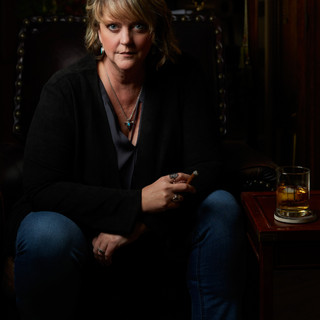
I don't know how you manage (or avoid) social media platforms, but for me, each platform serves a unique purpose. Facebook for author stuff. Instagram for laughs. X to see who's angry about what today. LinkedIn, TikTok, Threads ... all these platforms are slightly (or vastly) different, but they're all useful for one thing: spotting narcissistic traits.
The Long and Winding Post
Every once in a while, I check my personal Facebook page, and the last few times, I’ve noticed a few lengthy posts accompanied by an abundance of selfies. At first I wondered if this long-form posting was a new trend. But then I noticed a common theme: passive aggressiveness disguised as gratitude. Paragraphs read like this:
“So grateful for the wonderful new friends in my life and for the lessons I’ve learned from so-called friends that caused me harm, like those backstabbing homewreckers in my knitting circle.”
Okay, they’re not that specific, but they might as well be. Plus, most people can read between the lines.
Certain personality traits (often found in personality disorders) can influence posting patterns in distinctive ways. Individuals with these traits may engage in longer, more emotionally charged updates, frequent selfies, and oscillating narratives of betrayal and redemption.
Common Patterns in Posts
Narcissistic Traits
People exhibiting narcissistic traits often use social media to curate an image of superiority, success, or victimhood. Whatever the image is, it seeks admiration. You'll see their desire for admiration manifest as lengthy posts framing themselves as heroes or martyrs. They’ll post detailed accounts of how others have betrayed them, coupled with subtle (or not-so-subtle) self-praise. The goal is frequently external validation: likes, comments, and shares that reinforce a fragile sense of self-worth.

Borderline Traits
Those with borderline traits may show more volatile or intense emotional expressions online. Posts can swing dramatically, too. A long, heartfelt rant about profound betrayal by a friend or partner might be followed by an equally elaborate ode to newfound friends, personal growth, and "lessons learned" from toxic relationships. This push-pull dynamic mirrors the fear of abandonment and idealization/devaluation cycles common in Borderline Personality Disorder. Oversharing personal details, emotional dumping in captions, or rapid-fire posting during distress are not uncommon.
Dangerous Personailities: A Simpler Approach
Traits of personality disorders overlap, and it’s not uncommon for someone to be diagnosed with more than one of the disorders. It can get confusing, especially when each version of the DSM seems to move the goal posts or rename one or more of these unpleasant personalities. Because of that, I prefer using a term coined by Joe Navarro: Dangerous Personalities. His book Dangerous Personalities is a fantastic resource.
A hallmark across these dangerous personalities is excessive volume and visuals: unusually long text posts (sometimes essay-length) and an abundance of selfies. (Selfies provide immediate opportunities for engagement, feeding needs for attention and reassurance.)
Why It Matters
For those recognizing these patterns in themselves or loved ones, it may highlight a need for healthier coping strategies, such as setting posting limits, seeking therapy (such as Dialectic Behavioral Therapy for BPD traits), or using social media more mindfully for genuine connection rather than validation.
For those considering a personal or professional relationship with someone, these patterns serve as a red flag, urging you to proceed with caution. It's wise to observe someone's behavior on social media before you date, befriend, hire, or do business with someone. Overall, it pays to move slowly because once you're entangled with a dangerous personality, he or she can make your life miserable, destroy your business, and sabotage valued relationships.
Note: This post is for informational purposes only and is not a substitute for professional diagnosis or mental health advice. If you're struggling with relationships, self-image, or emotional intensity, consult a qualified therapist.
Evaluating Your Relationship with a Life Coach
If you're generally healthy but want to assess your relationship, a life coach can assist. Think about booking a trial session to discuss the pros and cons in a supportive setting.
Joe Navarro is a former FBI profiler and body language expert. You can get his book, Dangerous Personalities here:
Comments